JAPAN
THE SPACE BETWEEN
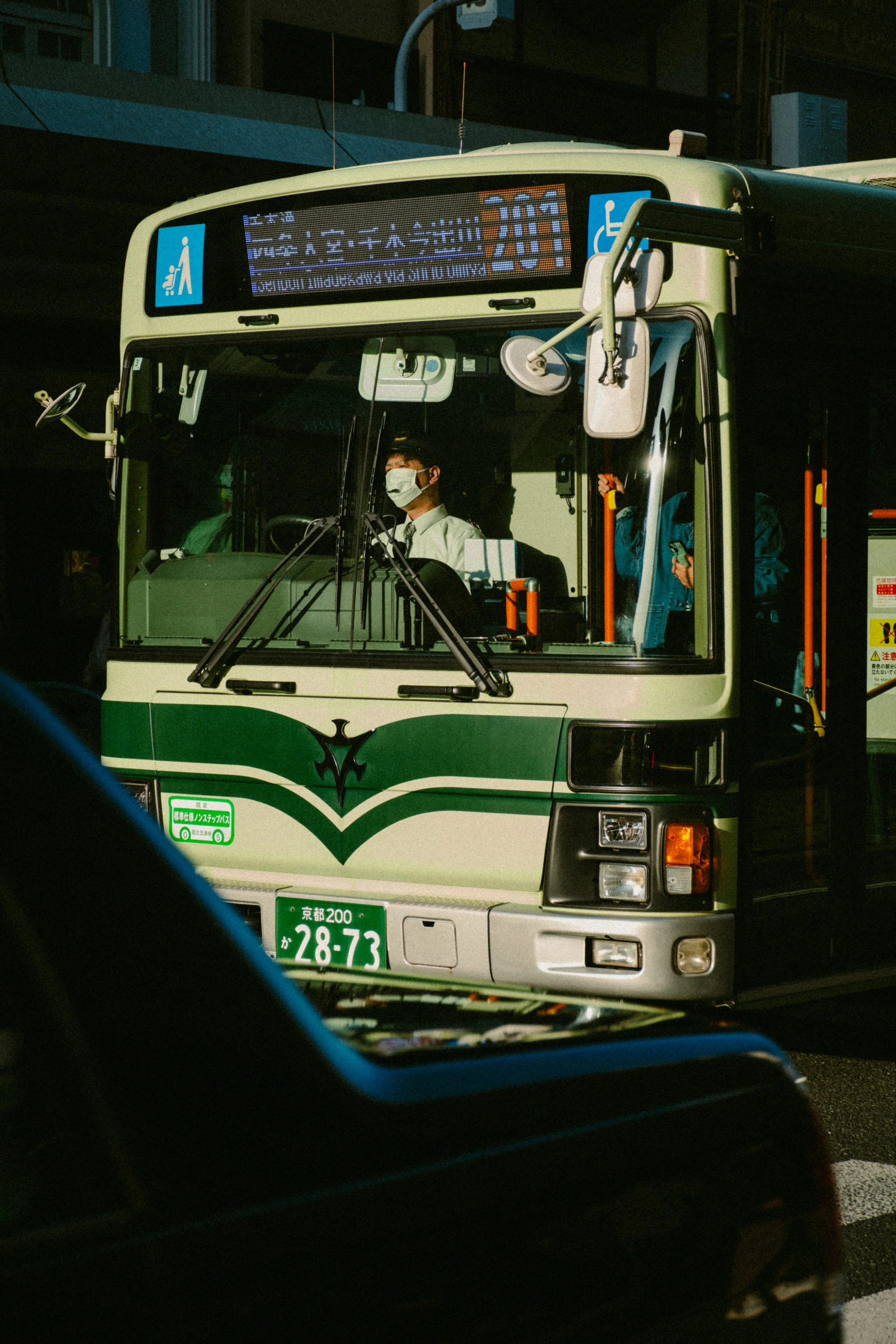
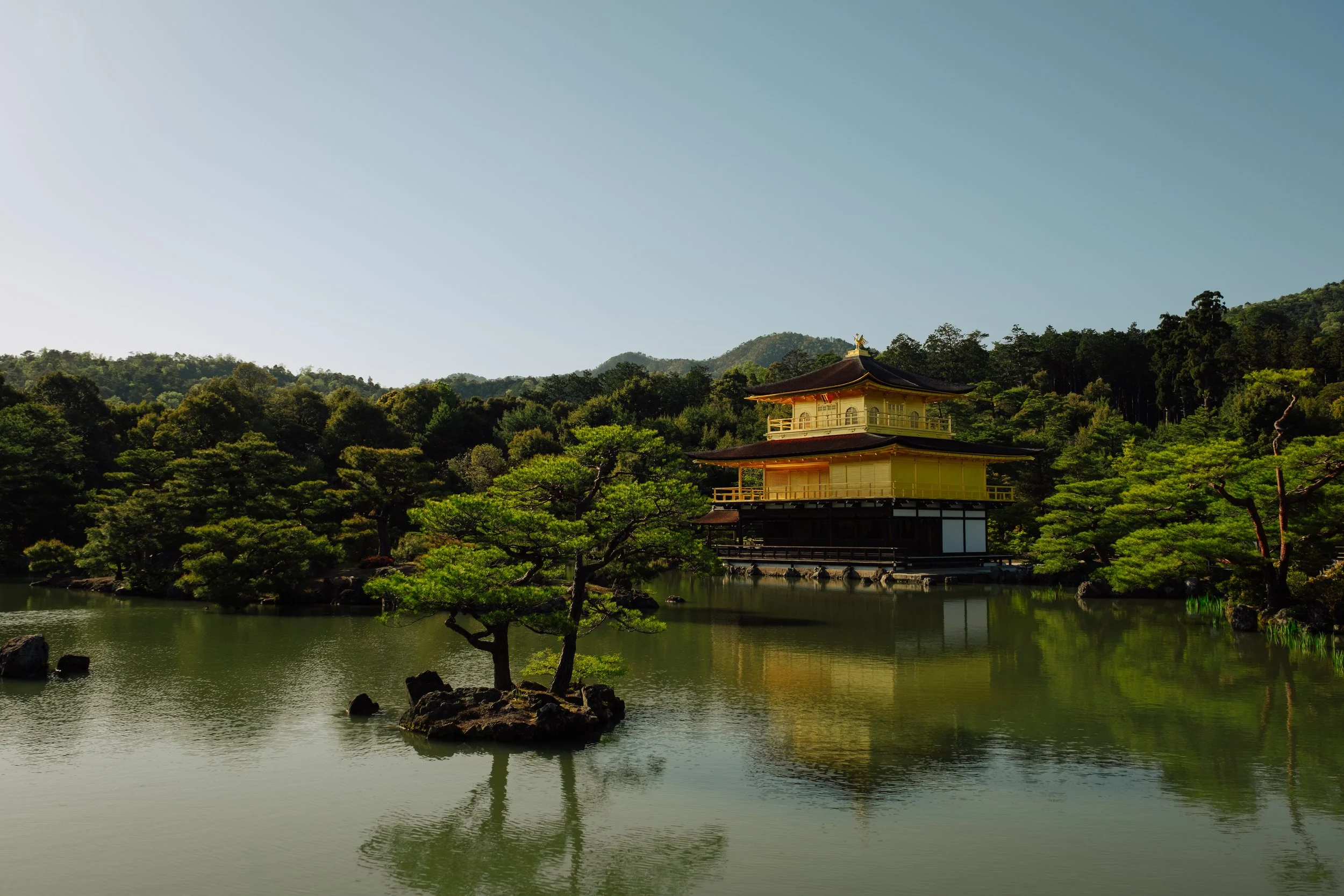
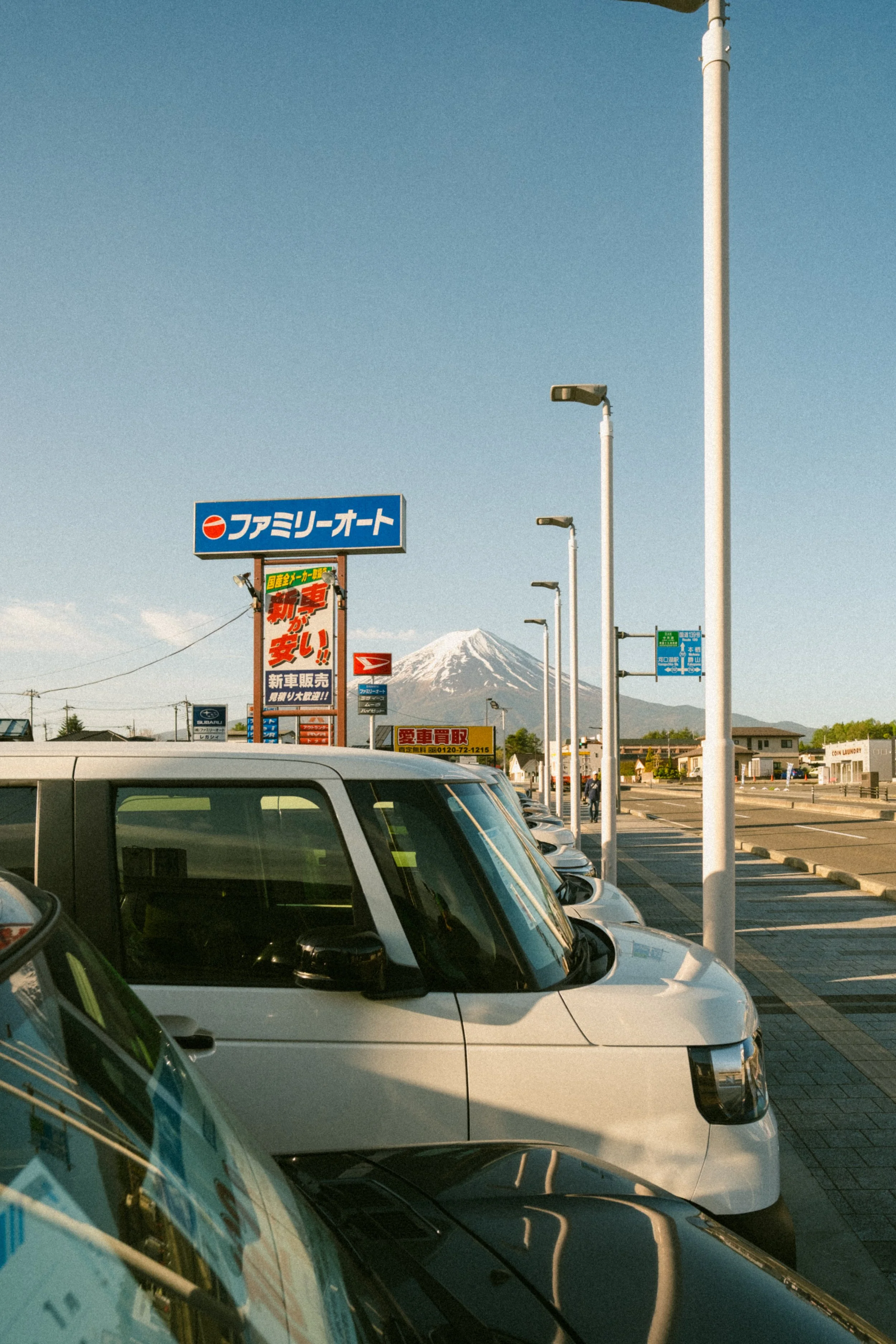
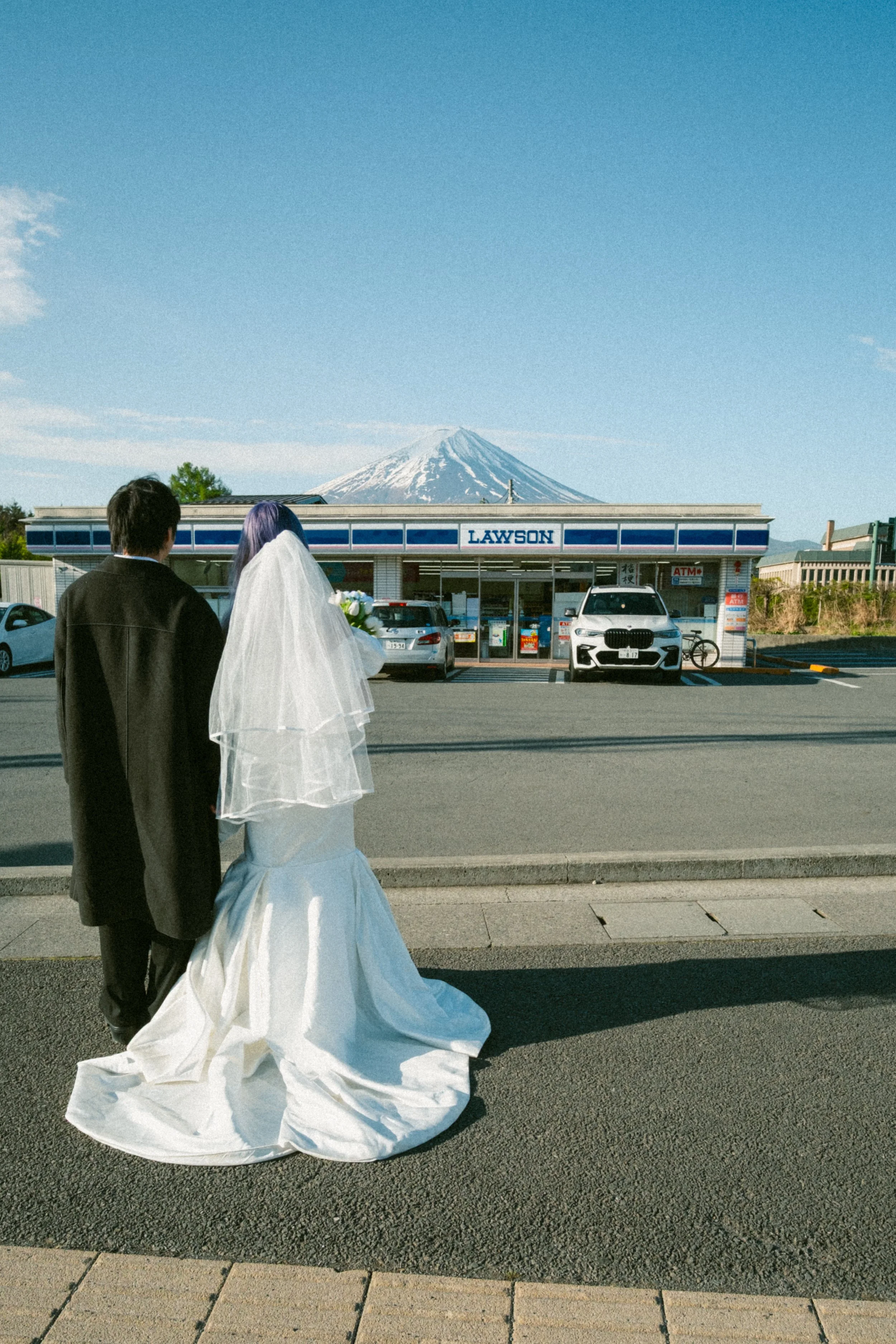
Japan is often described through contrasts, yet the country reveals itself not in opposition, but in harmony. Ancient shrines stand quietly beneath towers of glass, mountain villages exist only a train ride away from the world's largest metropolitan areas, and centuries-old rituals continue to shape the rhythm of modern life. It is a place where progress rarely erases the past. Instead, it builds upon it.
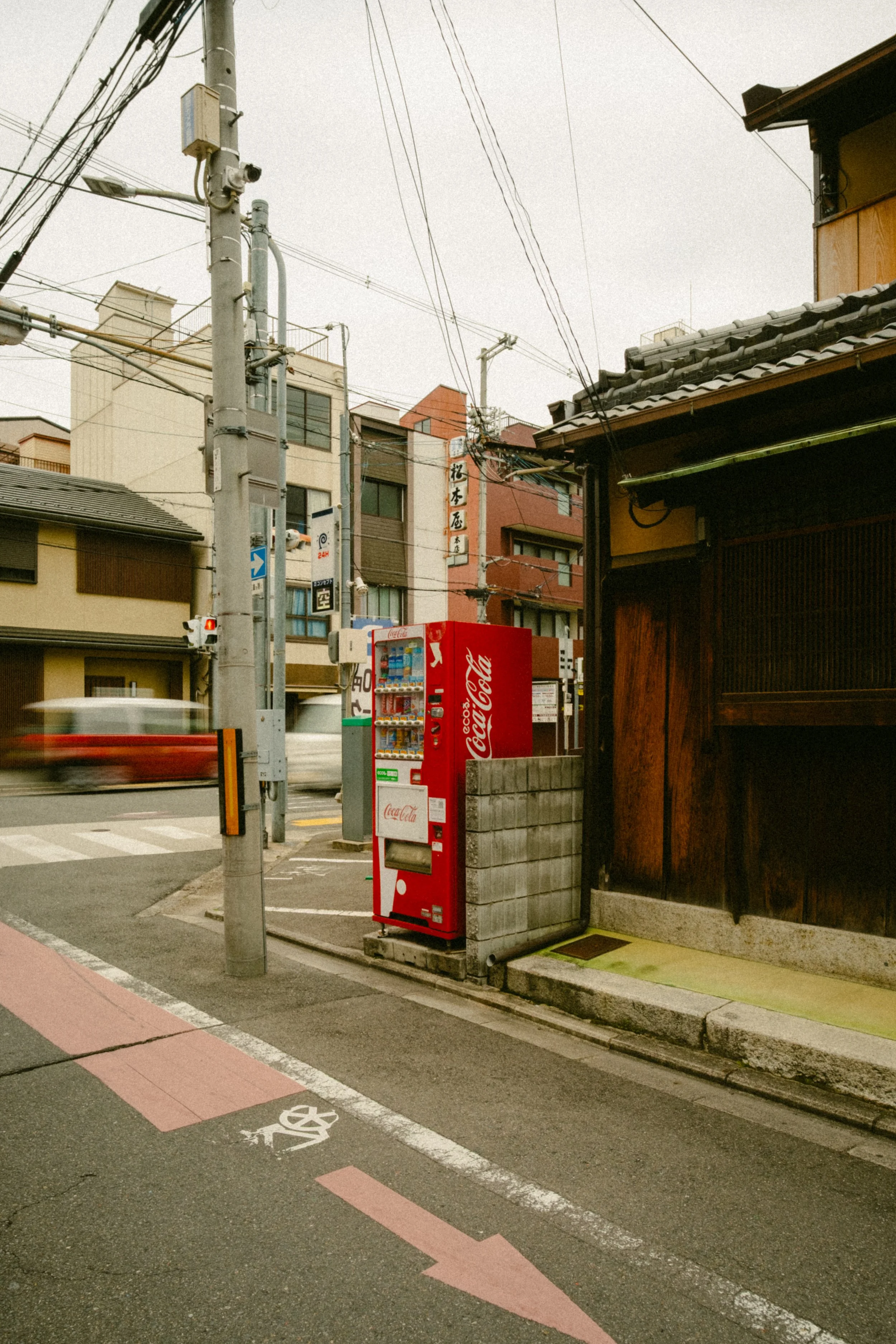
Every journey through Japan becomes an exercise in observation. Beauty is rarely loud. It lives in subtle gestures—a weathered wooden doorway, the silence before a temple bell, the careful arrangement of a meal, or the changing light reflected on polished concrete after rainfall. There is an appreciation for things that are fleeting, imperfect and incomplete; an understanding that moments become meaningful precisely because they cannot be held forever.
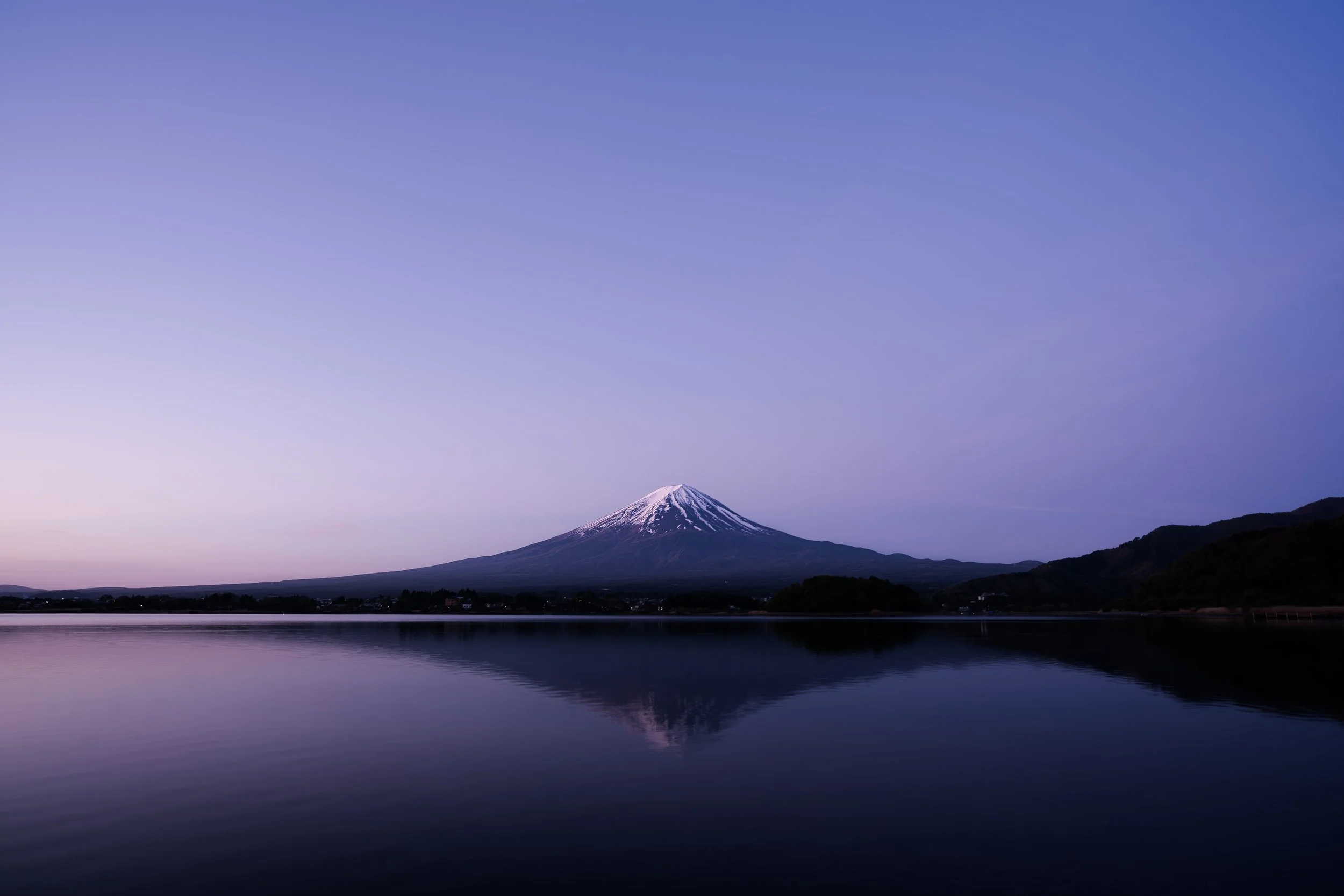
This philosophy is echoed in the Japanese concept of ma (間)—the meaningful space between things. It is the pause between two notes, the silence that gives words their weight, and the empty space that allows architecture to breathe. Ma reminds us that absence is never empty; it is what gives presence its meaning. And therefore, photography gradually becomes less about documenting places and more about discovering relationships—between shadow and light, structure and emptiness, movement and stillness. Negative space becomes as important as the subject itself, and every frame transforms into a study of balance rather than perfection.
Perhaps that is what makes Japan so unforgettable. It encourages a slower way of seeing. One where every passing train, every worn stone path and every changing season reminds us that permanence has never been the measure of beauty. Instead, beauty exists in transition—and often in the spaces between.
You can find fine art prints from the Japan Series here.