PHILIPPINES
CONCRETE REEF
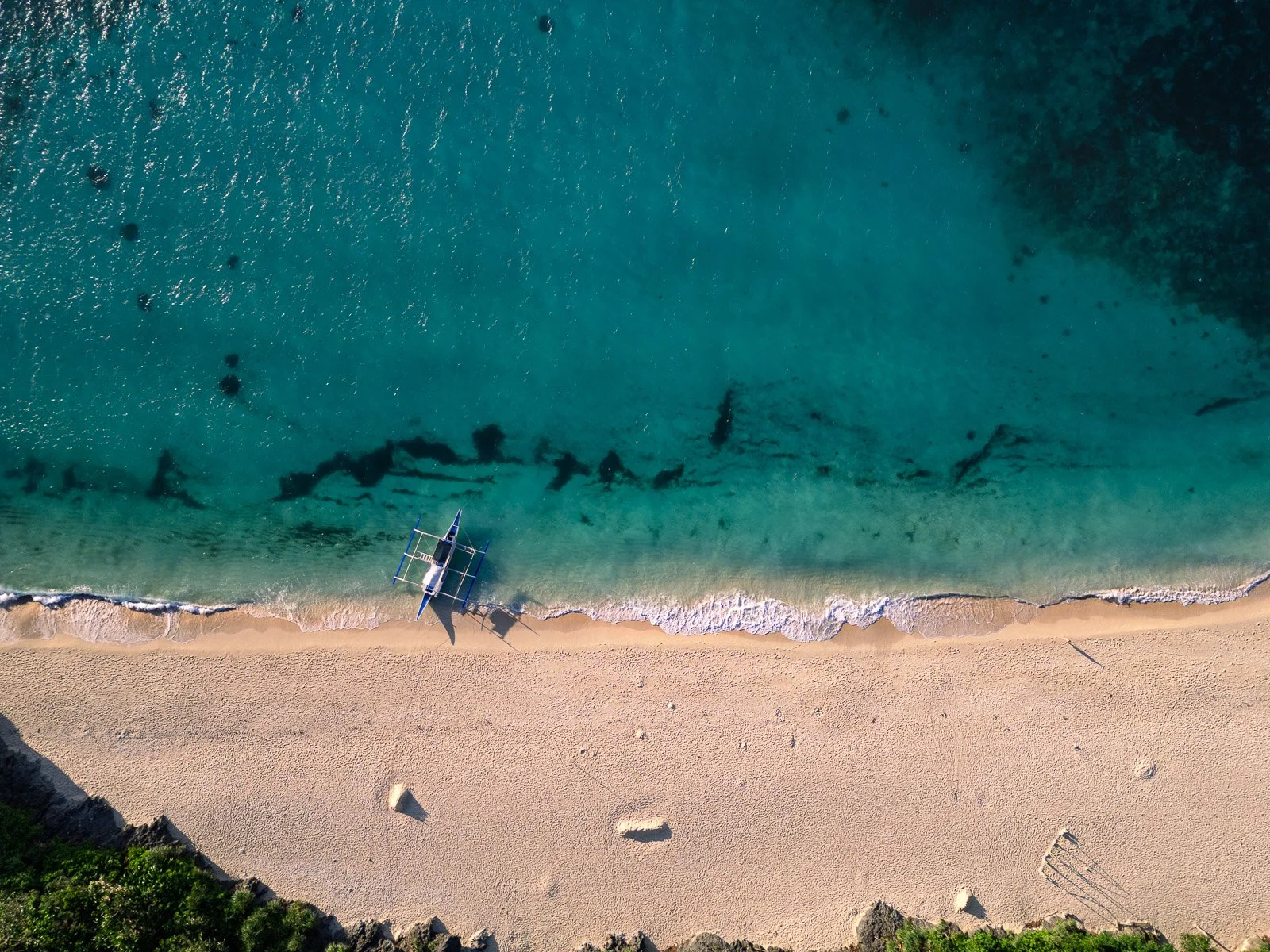
The Philippines exists where land meets an extraordinary underwater world. Scattered across thousands of islands and nestled within the Coral Triangle, the country is home to some of the planet's richest marine ecosystems. Beneath the surface, coral reefs form intricate worlds of colour and movement—fragile yet remarkably resilient.
On land, however, another landscape is constantly taking shape. Manila Bay reflects the country's rapid transformation: dense urban life, ambitious infrastructure and modern architecture expanding alongside an environment that has sustained generations. Here, concrete and coral become unlikely counterparts—two forms of structure shaped by entirely different forces.
This contrast raises a larger question about progress. How do we build for the future without erasing the environments that made the present possible? In the Philippines, that question becomes particularly visible as cities expand and communities work to preserve the natural capital surrounding them.
Perhaps the idea of a concrete reef captures this tension. Like a reef, a city is built from countless individual elements that become something greater together. But unlike nature, concrete cannot regenerate itself. It remains a reminder that every act of construction carries a consequence—and that progress is ultimately measured not only by what we create, but by what we choose to preserve.
The Philippines therefore becomes more than a meeting point between nature and modernity. It becomes a reflection on coexistence: between growth and restraint, human ambition and ecological fragility, the structures we build and the living worlds we inherit.